When we think of "face masks," many people usually recall everyday uses such as protecting against fine dust, air pollution, and the spread of respiratory pathogens, or minimizing unpleasant odors. In industrial manufacturing, however, face masks serve a purpose far beyond personal protection. They are a critical tool within the production workflow, especially in environments requiring strict contamination control. Selecting the right face mask for specific operational needs is therefore a crucial operational factor.
Let’s take a closer look at the key roles face masks play in industrial environments.
1. Protection Against Dust and Airborne Pollutants
Many industrial sectors generate airborne dust and particulates through manufacturing processes such as wood processing, construction, metal fabrication, grinding, cutting, sanding, and handling bulk powder raw materials. Workspaces in these areas are often filled with microscopic dust, metal particles, and hazardous synthetic fibers. These invisible particulates pose severe health risks when inhaled in large quantities over extended periods. Implementing dust mitigation protocols alongside proper respiratory protection equipment is essential to effective workplace safety management.
Protective Measures : Equip workers with high-efficiency particulate filtering masks (such as N95, FFP2, or Powered Air-Purifying Respirators – PAPR). Combine this with broader dust control strategies, such as assessing the type and level of airborne particulates generated, utilizing local exhaust ventilation (LEV) or dust extraction systems at the source, keeping workspaces clean to limit dust accumulation, and training employees on proper fit testing and usage to minimize toxic exposure and safeguard long-term health.
2. Risk Reduction from Chemicals and Vapors
Operations in chemical processing plants, oil refineries, automotive spray-painting facilities, plastics manufacturing, and textile production frequently involve exposure to volatile organic compounds (VOCs). Without appropriate control measures, workers face significant risks of respiratory exposure.
Protective Measures : Utilize respiratory protection specifically engineered for the chemical hazards present in the facility. This includes masks fitted with specialized chemical cartridges, absorbent media, or activated carbon filters designed to adsorb toxic molecules before they enter the respiratory system. Selecting masks matched to specific chemical hazards builds a safer working environment and effectively prevents acute gas inhalation accidents.
Beyond personal equipment, hazard mitigation should begin at the source through proper ventilation systems, controlled production processes, safe chemical storage, and thorough employee training on equipment usage.
3. Hygiene Enhancement in Food and Pharmaceutical Production
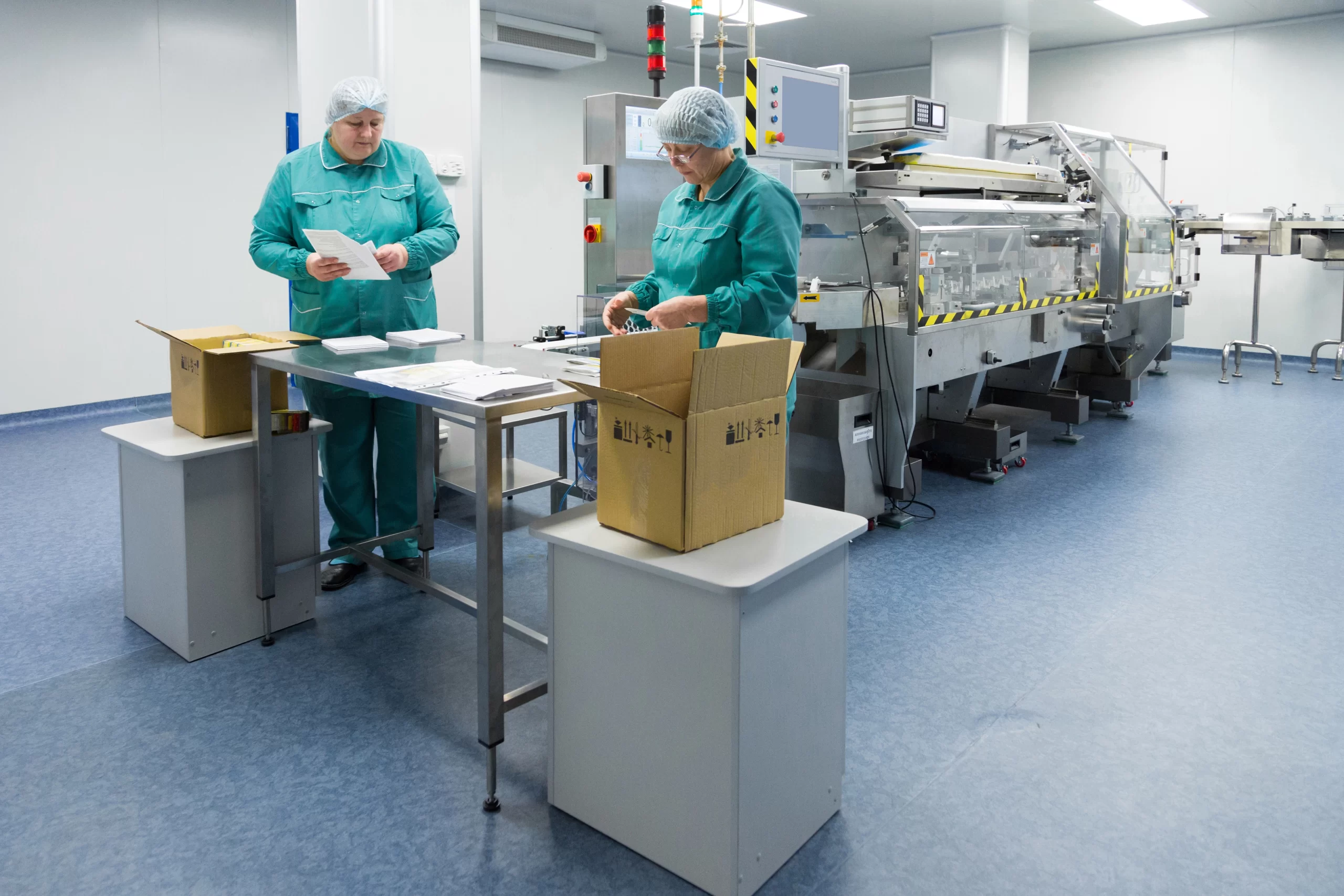
In the production of food, beverages, pharmaceuticals, medical devices, and other contamination-sensitive goods, preventing contamination from personnel is the highest priority. Here, the role of face masks shifts from solely protecting the worker to actively “protecting the product” from respiratory droplets caused by talking, coughing, or sneezing, thereby upholding strict sanitation standards under Good Manufacturing Practice (GMP) and Hazard Analysis Critical Control Point (HACCP) guidelines.
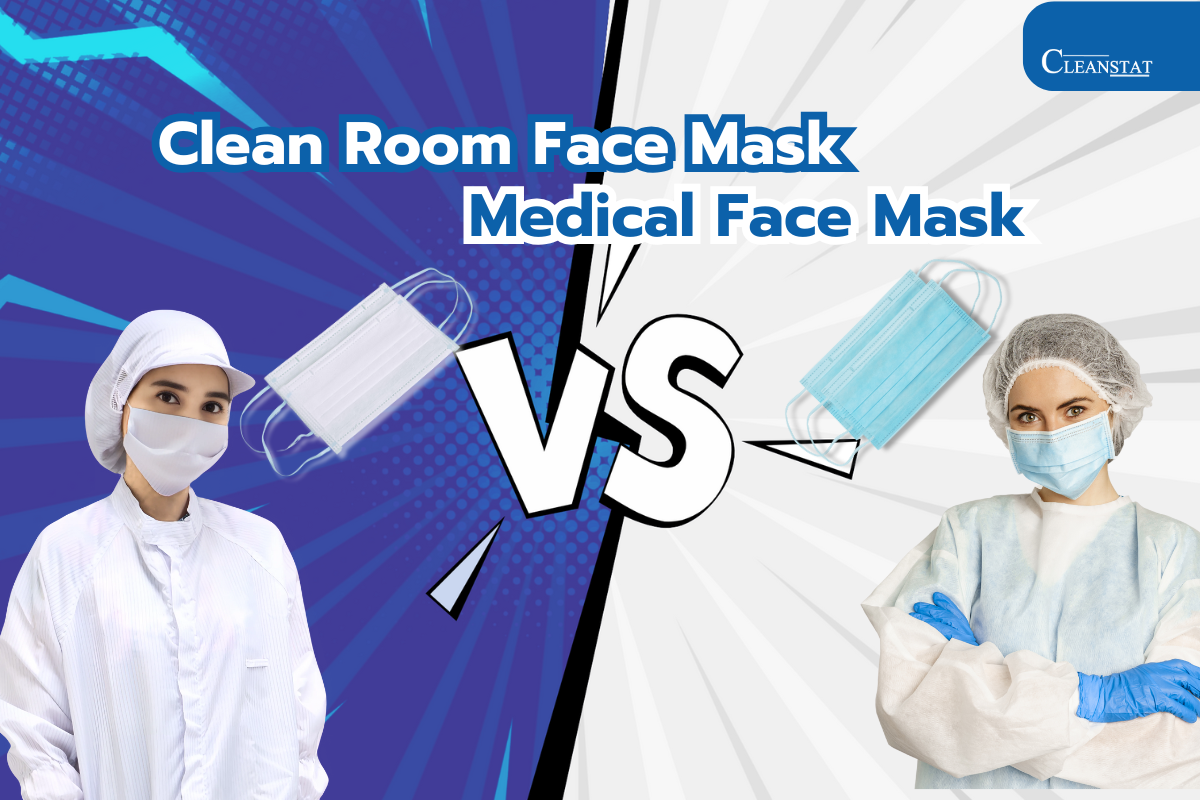
Protective Measures : Require all operators to wear medical-grade masks or masks designed specifically for clean production lines, such as cleanroom face masks. In addition to being part of broader hygiene and contamination control protocols to prevent product damage, wearing masks elevates brand image and instills consumer confidence in delivering safe, pure, and high-quality products.
4. Process Support in Electronics and Semiconductor Manufacturing
In electronics, semiconductor manufacturing, and high-precision component assembly, operations take place inside Cleanrooms controlled environments with strict limits on airborne particulates and humidity. Here, cleanliness is not just a matter of sanitation; it directly impacts product quality and yield. Microscopic particulates such as human respiratory droplets measuring just a few microns can instantly damage delicate micro-circuitry, rendering high-value components defective.
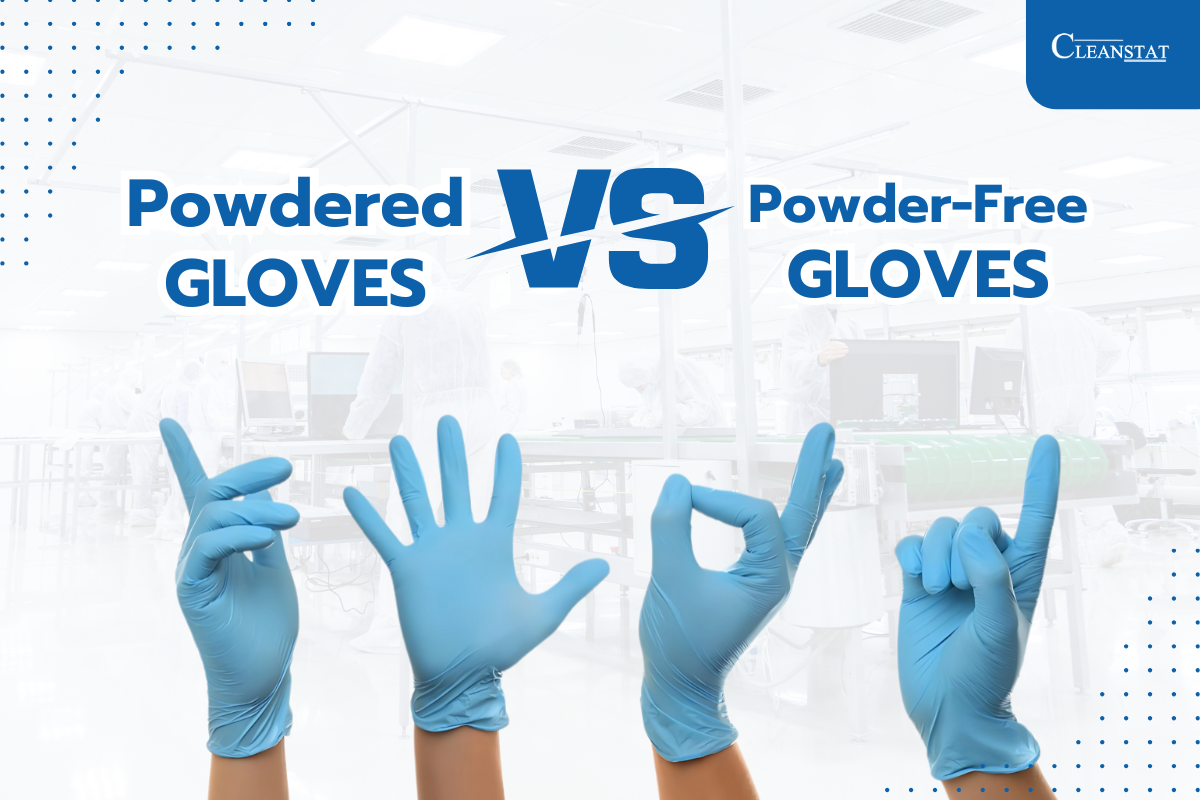
Protective Measures : Deploy specialized masks engineered for cleanroom production, such as ultra-low-linting cleanroom masks capable of fully trapping respiratory particles without shedding fibers. These are used in conjunction with complete cleanroom attire including cleanroom garments, bouffant caps, ESD gloves, and shoe covers to minimize human-generated particle contamination at the source.
5. Establishing Safety and Quality Standards in the Workplace
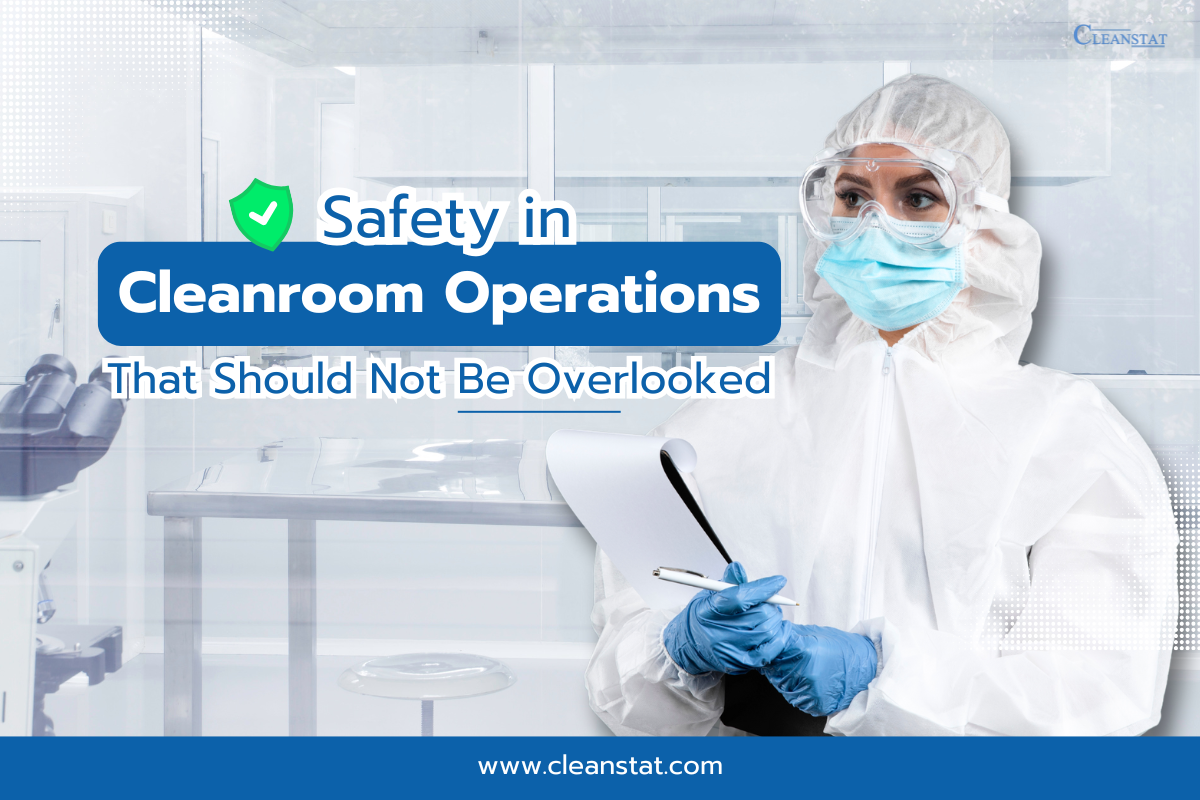
Beyond the direct benefits to occupational health and production quality, the appropriate use of Personal Protective Equipment (PPE) is a core component of occupational health and safety management systems, such as ISO 45001. These frameworks emphasize systematic hazard identification, risk assessment, and control measures. Furthermore, consistent mask compliance serves as a visible symbol of a strong “Safety Culture” within the organization, enhancing corporate reputation and overall operational sustainability.
Face masks may seem like simple, everyday items, but their role in the industrial sector is far more strategic than many realize. From minimizing particle exposure and safeguarding food and drug hygiene to controlling micro-contamination in semiconductor cleanrooms, choosing the right face mask for your specific industry represents a highly cost-effective investment creating a safe, risk-free workplace while elevating the organization toward sustainable international standards.